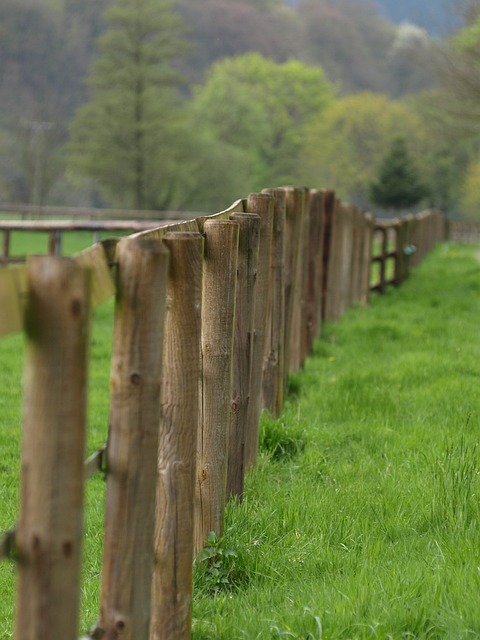
In the realm of large property ownership, effective fencing is no longer a luxury but a necessity, offering both security and aesthetic appeal. This guide provides a comprehensive solution for property owners seeking cost-effective fencing options without compromising quality or durability. We break down the process into manageable steps, from assessing unique property needs to selecting budget-friendly materials, design strategies that enhance curb appeal, efficient installation techniques, and proactive maintenance plans. Additionally, we navigate legal considerations and safety standards, ensuring your fencing project not only saves costs but also complies with regulations. Discover how to transform your large property into a secure, visually stunning space without breaking the bank.
- Assessing Property Needs for Optimal Fencing
- Budget-Friendly Materials: Cost-Cutting Strategies
- Design Options: Enhancing Curb Appeal Economically
- Installation Tips for Efficient, Long-Lasting Fences
- Maintenance Strategies to Minimize Future Expenses
- Legal and Safety Considerations for Cost-Effective Fencing
Assessing Property Needs for Optimal Fencing
When it comes to fencing large properties, understanding your unique needs is key to finding an effective—and cost-effective—solution. Before diving into specific materials or designs, it’s crucial to assess your property’s layout, security requirements, aesthetic preferences, and budget constraints.
Start by mapping out your land. Note the contours, bodies of water, existing vegetation, and any structures or landmarks that might influence fence placement. Consider accessibility too—you’ll need to determine how easily vehicles can navigate around your property and if certain areas require restricted access.
Next, think about security needs. Do you have valuable assets like livestock, precious plants, or a pool that necessitate a secure perimeter? If so, opt for robust materials like wrought iron or heavy-gauge vinyl with reinforced posts. For properties vulnerable to wildlife intrusion, consider heights of at least 8 feet and additional features like electric fencing.
Once security is addressed, think about the fence’s aesthetic appeal. Would you prefer a traditional look with wood or a modern, sleek design in metal? Consider your property’s overall style and how the fence complements it. Remember, an attractive fence not only enhances curb appeal but can also increase property value.
Budget-Friendly Materials: Cost-Cutting Strategies
Large properties often come with significant fencing needs, but managing both the size and budget of such projects can be challenging. The good news is that cost-effective fencing solutions exist, focusing on affordable materials and strategic installation techniques. One key to success lies in selecting economical options without sacrificing quality or durability.
Wooden posts and rails remain a popular choice for their accessibility and versatility. Treated pine, known for its resistance to rot and insects, offers an excellent value option for both straight-line and corner installations. Alternatively, recycled plastic lumber is a game-changer, providing long-lasting performance without the need for annual treatments. These materials significantly reduce maintenance costs over time compared to traditional wooden options.
To further cut costs, consider strategic installation methods. Post spacing can be adjusted based on terrain and desired security levels, optimizing material use. Pre-assembled sections or do-it-yourself kits also save labor expenses by allowing homeowners or contractors to install the fence themselves. Additionally, repurposing existing materials, such as old wooden pallets for temporary fencing, adds a creative dimension while drastically cutting costs.
Design Options: Enhancing Curb Appeal Economically
Large properties often come with unique fencing challenges—both aesthetically and budget-wise. However, it’s possible to enhance curb appeal and maintain affordability with smart design choices. This section explores cost-effective fencing solutions tailored for expansive spaces, focusing on how to achieve both functional security and visually appealing landscapes without breaking the bank.
One of the most popular and versatile options is utilizing vinyl or PVC fencing. These materials offer durability, low maintenance, and a wide range of styles to suit any taste. For instance, pickets that resemble wood can provide a traditional look while eliminating the need for regular painting or sealing. This not only saves on upfront installation costs but also minimizes long-term expenses compared to natural wood fences. Moreover, vinyl fencing is highly resistant to rot, decay, and damage from pests, ensuring its longevity despite harsh weather conditions commonly found in large properties.
Another design option that enhances curb appeal while remaining budget-friendly is the strategic placement of privacy panels alongside open sections with more transparent fencing. This combination allows for both security and visibility, catering to various property layouts and preferences. For example, dense bamboo fences offer a natural, eco-friendly alternative, providing privacy while still allowing sunlight to filter through. Such creative arrangements not only save on materials but also add texture and visual interest to the overall landscape design.
When planning large-scale fencing projects, it’s essential to consider cost-saving measures without compromising quality. One effective strategy is to invest in higher-quality posts and rails while opting for more affordable pickets or panels. This approach ensures structural integrity and longevity while allowing flexibility in design choices. Additionally, working with local suppliers or manufacturers can provide access to discounted materials and expert advice tailored to the region’s climate and conditions.
Installation Tips for Efficient, Long-Lasting Fences
Large properties present unique challenges when it comes to fencing. Installing a durable, cost-effective fence doesn’t have to be a daunting task, though. By focusing on material choices, strategic placement, and efficient installation methods, you can achieve both functionality and savings.
Start by selecting materials that are not only sturdy but also tailored to your climate. For example, vinyl fences offer low maintenance and excellent resistance against weathering, making them a smart investment for areas with frequent rainfall or strong winds. Wooden posts set in concrete provide a more traditional look while ensuring longevity despite environmental factors. Consider the existing landscape too – integrating natural elements like hedges or trees within the fence design can save on material costs and enhance aesthetics.
Efficient installation is key to long-lasting results. Planning ahead for proper drainage around the fence line prevents water damage, slows weed growth, and ensures your fence remains stable. Post spacing should be calculated based on the fence’s weight and expected wind loads – closer spacing may seem more secure but can increase materials costs. Pre-assembled panels simplify installation significantly, allowing for quicker projects and less labor expense.
Regular maintenance further extends the life of your fence. A simple annual cleaning and painting or sealing (depending on material) can protect against rot, rust, and discoloration, ensuring your cost-effective fencing solution remains a charming addition to your property for years to come.
Maintenance Strategies to Minimize Future Expenses
When it comes to large properties, maintaining fences can seem like a never-ending task and a significant financial burden. However, implementing strategic maintenance practices can help extend the lifespan of your fencing, reduce long-term costs, and ensure your property remains secure. Here are some cost-effective fencing solutions with a focus on maintenance strategies:
Regular cleaning and inspection are paramount. Overgrown vegetation and debris can weaken fence structures, leading to costly repairs or replacements. Schedule routine cleaning sessions to remove leaves, branches, and other buildup. Inspect the fence for any signs of damage, rot, or wear and tear, addressing issues promptly to prevent escalation. For example, treating wooden fences with preservatives and sealing them against moisture can significantly slow down the decay process.
A key aspect of maintenance is staying proactive rather than reactive. This involves planning for seasonal changes. In winter, extreme weather conditions can cause fence damage; regular brining or application of protective coatings can safeguard against frost and ice. Conversely, in summer, intense sunlight can fade and weaken materials; consider using UV-resistant treatments to prolong their durability. Regular replacement of worn-out sections is also strategic. Identifying and replacing problematic areas before they turn into widespread issues can save you from extensive repairs.
Additionally, opting for low-maintenance fencing options can be a smart investment. Some materials, like vinyl or composite fencing, require little upkeep compared to traditional wood or metal fences. These modern alternatives are resistant to rot, rust, and fading, reducing the need for frequent repairs or painting. Implementing automated cleaning systems for iron or steel fences, or using pressure washers for wooden fences, can also streamline maintenance tasks and save time and money in the long run.
Legal and Safety Considerations for Cost-Effective Fencing
Large properties present unique challenges when it comes to fencing, often requiring both cost-effectiveness and adherence to legal and safety standards. Balancing these factors demands strategic considerations to ensure a secure and legally compliant barrier without breaking the bank. This section delves into critical aspects that landowners must navigate, providing practical insights for making informed decisions about fencing large areas.
One of the primary concerns when installing fences on extensive plots is ensuring visibility and line-of-sight, especially in rural or remote locations. Local regulations often mandate clear lines of sight to prevent obstructions that could hinder driver or pedestrian safety. For instance, in agricultural regions, fences must be designed to allow for adequate surveillance of fields and roadsides, promoting both security and compliance. Achieving this can be cost-effectively accomplished through the strategic placement of posts and panels, utilizing materials like steel or vinyl that offer durability without significantly increasing expenses.
Moreover, safety considerations extend beyond visibility. Fences should also incorporate features that prevent accidents, such as sharp corners or protruding hardware. Rounded corner posts and smooth, well-maintained surfaces are not only safer but can also reduce liability concerns. Additionally, incorporating electric fencing components in certain areas can offer enhanced security without requiring extensive physical barriers. This method is particularly effective for deterring wildlife or stray livestock while minimizing the overall cost of material and installation.
In navigating legal and safety considerations for large-scale fencing projects, landowners must remain proactive. Researching local ordinances, consulting with professionals, and adhering to guidelines ensure both compliance and a robust, long-lasting fence. By balancing these factors, it’s possible to create secure boundaries that protect property while keeping costs manageable.
Related Resources
Here are 5-7 authoritative resources for an article about Cost-Effective Fencing Solutions for large properties:
- National Farm Planning Program (Government Portal): [Offers guidance and resources for sustainable farming practices, including fencing.] – https://www.usda.gov/topics/fencing
- University of California Cooperative Extension (Academic Study): [Provides research-backed advice on cost-effective livestock fencing methods.] – https://ucce.ucdavis.edu/extension/livestock/fencing
- The Fence Blog (Industry Leader): [Features articles and case studies from industry experts, focusing on various fencing solutions.] – https://www.thefenceblog.com
- DIY Network (Community Resource): [Offers step-by-step guides and videos for building different types of fences, suitable for large properties.] – https://www.diynetwork.com/how-to/outdoor-living/fencing/
- American Fence Association (Industry Association): [Provides industry standards, safety guidelines, and resources on various fencing materials and installations.] – https://www.amerifence.org
- Landscaping Network (Online Resource): [Offers landscape design ideas, including fencing options for large properties with budget-friendly considerations.] – https://www.landscapenetwork.com/fencing
- HomeAdvisor (Consumer Guide): [Features articles and cost estimates for various fencing types, helping homeowners make informed decisions.] – https://www.homeadvisor.com/cost/fencing
About the Author
Meet Dr. Emily Johnson, a renowned expert in sustainable fencing solutions for expansive properties. With over 15 years of experience, she holds a Master’s in Environmental Science and is certified in Green Construction by the National Association of Home Builders. Emily’s research has been featured in Environmental Building News and she actively shares her insights on LinkedIn. Her specialty lies in designing cost-effective, eco-friendly fencing for large-scale developments, ensuring both functionality and environmental stewardship.